BLOG
Classical and popular music, gazing at the intersection of cultures
Mar 28, 2025

Classical music and popular music. Although both are music, their cultural backgrounds are as different as water and oil. One is steeped in solemn tradition and formality, while the other is free-spirited and open. I do not intend to speak of superiority or inferiority, but when I look at each culture, I find a strange depth of flavor.
The tolerance of popular music and the orderliness of classical music.
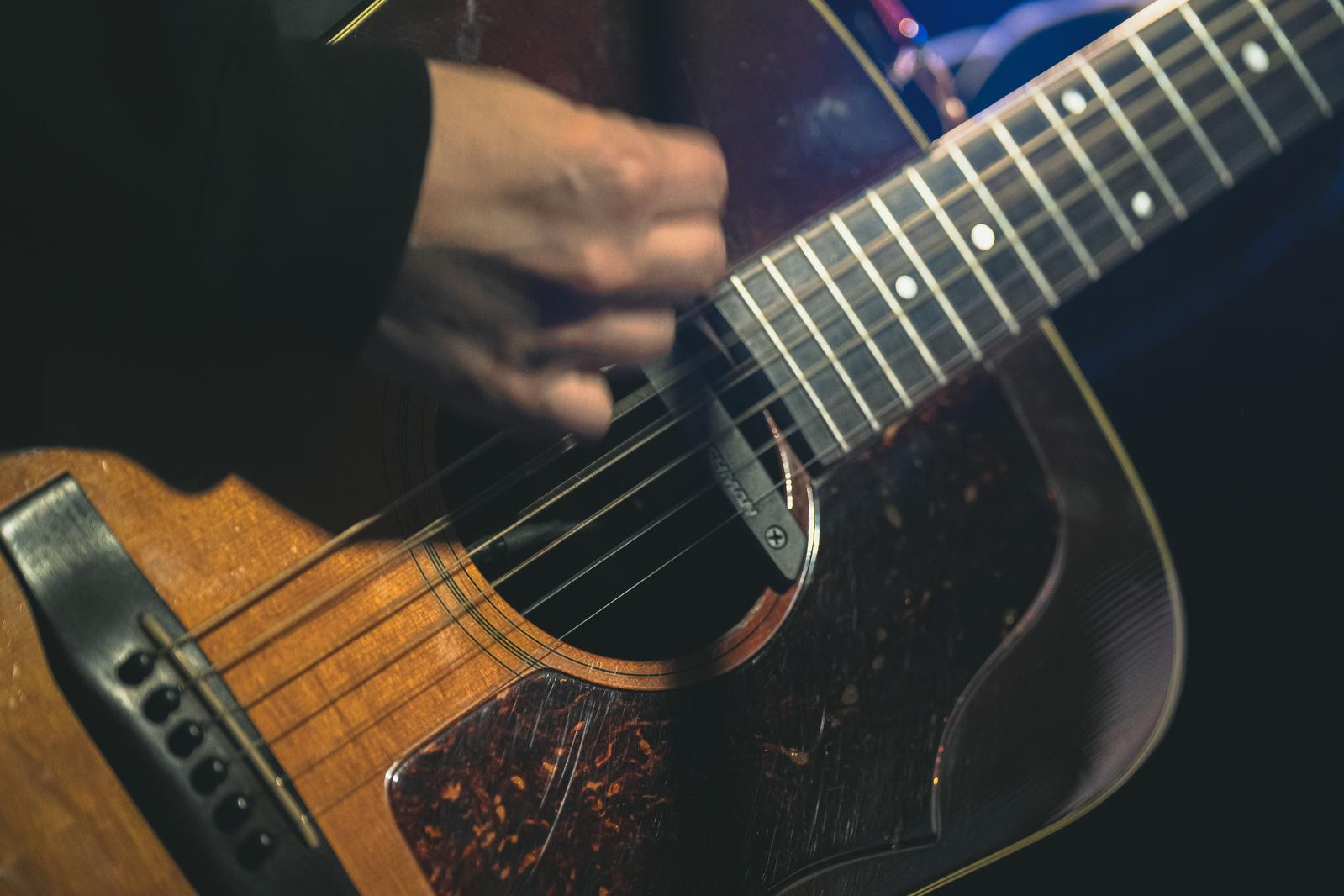
In the world of popular music, anyone can start playing music. Even if you can't read music, can't get the pitch right, or, in extreme cases, can't even tune your guitar correctly, as long as there is a "groove" in the music, you are in business. Whether it is good or bad, it is clear that there is a wide range of music out there. In some genres, even mistakes are considered "tasteful. If a song goes off track, "that's part of it," if it goes out of tune, "that's part of the flavor," and if the performance is rough, "it's energetic. It is a world of generosity.
On the other hand, the culture of classical music is surprisingly orderly. At an orchestra rehearsal, the day a note is played before the conductor has even shaken his stick, all eyes immediately pierce the room. The pianissimo written in the score is absolute, and there is no room for ambiguity: "This is about right. In the classical world, a mistake is a mistake, and "that too is a taste. Rather, "What's going on?" and the atmosphere in the hall changes. In that sense, there is a sense of security, or a high level of tension, or whatever you want to call it.
◆Freedom of popular music, faith in classical music
Popular music, as its name suggests, belongs to the masses and changes its form with the times. It is natural for songs to evolve and arrangements to change with each live performance. The abundance of YouTube videos of "my arrangement of 00" and "I tried a jazz version of this song" is a symbol of the freedom of this culture.
In classical music, on the other hand, the composer's intention must be reproduced as accurately as possible. If the score says "andante," it must be andante, even if it is too slow or too fast by modern standards. If one says, "I changed this piece a little," or "I added my own interpretation," he or she may be harshly criticized by some connoisseurs, who may say, "That's not right. This is the realm of religion. Many lovers of classical music have a passion, akin to religious belief, about Bach's tempo or Beethoven's slurs.
Rhythm is the lifeblood of popular music, expression is the lifeblood of classical music.
While popular music is free, the professional world is surprisingly strict about rhythm. The groove of a band is supported by the drummer's or bassist's precise sense of time, and if this is disturbed, the music collapses at once. Whether it is pop, rock, jazz, funk, or hip-hop, rhythmic precision is paramount. Especially in the world of studio musicians, even a discrepancy of a few milliseconds can be considered a problem.
Classical music, on the other hand, places more emphasis on phrasing and subtlety of expression than on rhythm. Of course, ensemble precision is required, but the music can be given expression through the use of rubato (free tempo changes) and agogic (subtle tempo swings). The fact that different conductors have different interpretations of the music is one of the charms of classical music.
◆The Limits of Crossover ◆
The number of occasions in which popular and classical music intersect is increasing. It is not unusual to see classical players playing pop music or popular musicians performing with orchestras. However, perfect fusion is difficult to achieve. The strict tonal rules of classical music and the groove-oriented approach of popular music are based on fundamentally different values.
For example, when a classical player tries to create a groove in pop music, it can be conversely awkward. Also, when a popular musician tries to play a classical score precisely, the "play" of the music is often lost.
There have been many attempts at crossover, and each has its own successes, but it is difficult to achieve a perfect fusion of the two. Perhaps the true crossover is to seek new expression while utilizing the essential elements of each music.
◆Both cultures are, after all, full of humanity.
Popular music is too free, and you are always worried about "Is this OK? Classical music is too strict, and we are sometimes puzzled, "Am I going to be offended by this? However, both are sometimes perplexing. However, when you get right down to it, the underlying principle in both is the desire to make good music.
Musicians of popular music are not just playing randomly, but are free to do so after careful consideration. Classical musicians, too, are not just bound by formality, but seek maximum expression within that context.
In short, in both worlds, there are "troublesome people" and "free people," and both worlds are enjoyable in their own way.