BLOG
The Narrow Path of Sound -- Japan's Adult Violin Enthusiasts, Evolving Hobbyists
Mar 4, 2025
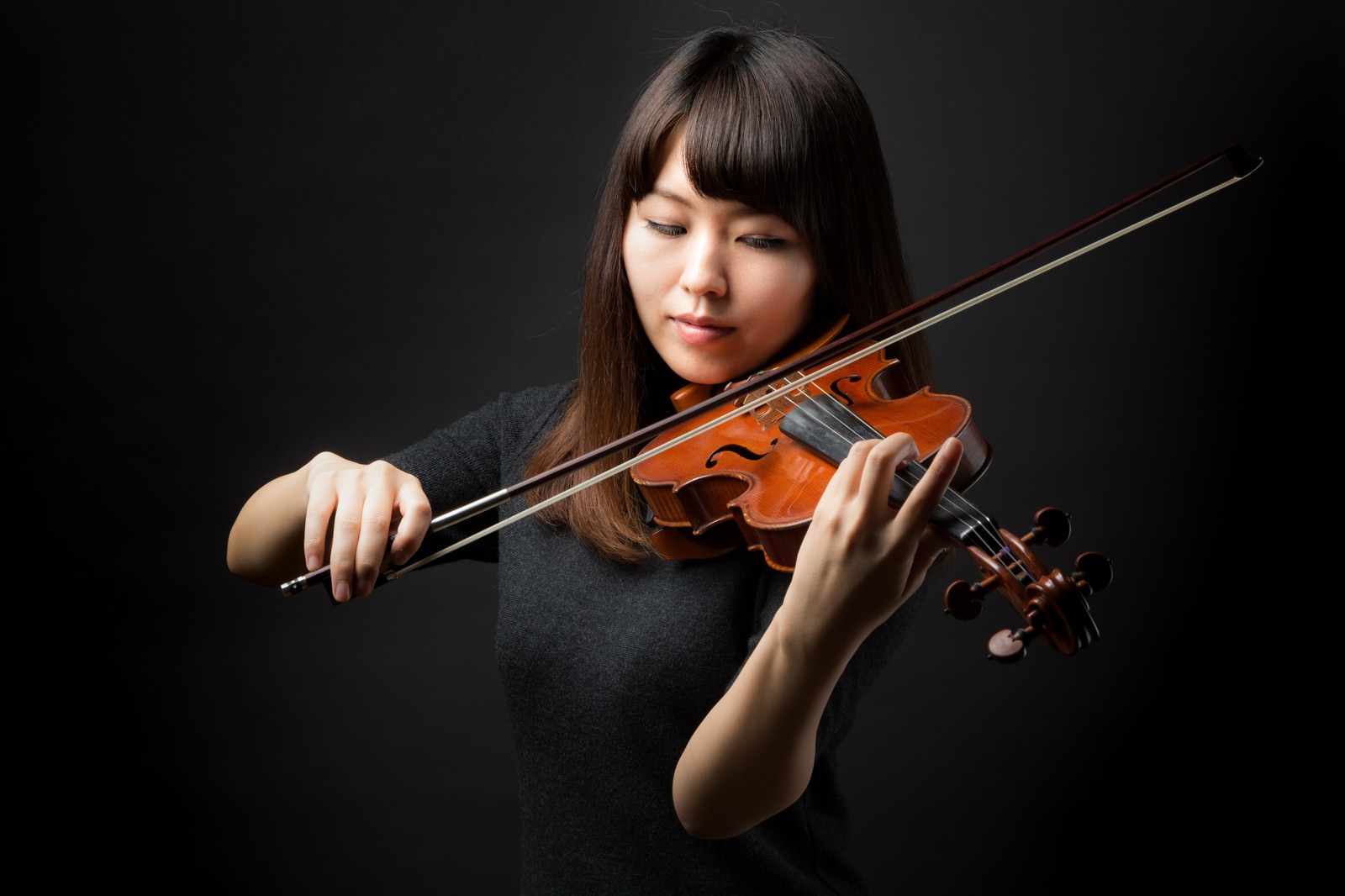
The violin is one of the most popular classical instruments. In the past, the violin had a strong image of being played only by those who had been educated as gifted children, but today in Japan, adults from diverse backgrounds enjoy playing the violin as a hobby. Let us take an in-depth look at the ecology of the amateur violin world by delving into their musical history.
1. violin path from childhood, along with the culture of a private junior high school
This segment of the population began along with the "otenketsu (entrance examinations)" and was nurtured as the "glamorous culture of private schools." The violin is recognized as a staple of lessons and has become a symbol of "cultural capital" along with the piano. They attend lessons from a young age, and by the time they enter private junior high schools, they have evolved into "orchestra clubs" and "string ensembles. In many cases, they continue to play in detail through high school, college, and even into adulthood.
Characteristically, they have a solid foundation and can read music quickly, but as they enter the workforce, they often settle into the stance that "it is enough if I can take a lesson once a week or join an ensemble. The most popular pieces for recitals are Mozart, Bach, and Saint-Saens' "Introduction and Rondo Capriccioso.
2. encountering the violin in club activities and walking with youth
People who started playing the violin in middle school or high school club activities (orchestra club, string club, etc.) and never let go of it later in life. Although they are not the overwhelming majority as in the case of brass band or light music clubs, there are many dedicated enthusiasts. The general trend is to move on to university orchestras and then to adult orchestras.
The characteristics of this group are that they are technically "orchestra-specific" and tend to prefer ensembles to solo playing. They also specialize in "matching with their peers" while looking at sheet music, and may struggle when challenged with solo pieces. After entering the workforce, they often become "orchestra-specialists" or shift to chamber music such as duo and quartet.
3. latecomers in their 20s, supplementing their skills with passion
The group of people who begin playing the violin after entering the workforce are often in their 20s and want to "try the instrument of my dreams!" This is often the reason why they start out. There are many cases of people who started playing the violin during their college years because they "wanted to play an instrument but never had the chance" or because they were "impressed by the violins they saw in movies and cartoons.
The first obstacle is basic problems such as "I can't catch the pitch" or "I can't draw the bow straight. However, since many students are self-taught through SNS and YouTube videos, progress can be surprisingly fast. Even when taking lessons, there is a tendency to utilize Ghibli and pop music scores rather than the traditional classical one-size-fits-all approach.
4. switching from DTM/composition field, captivated by violin tone
People who have been doing DTM or composing music are not satisfied with the sound source alone, and want to "make a real violin sound! and they want to play the real violin sound. They seek the nuance of live sound that cannot be reproduced by sampling sound sources, and try to deepen their musical expression by playing the violin themselves.
This group is characterized by the fact that they start out using the device as if it were a MIDI keyboard, but soon realize that "It's harder than I thought it would be! They soon realize that "It's harder than I thought it would be! However, since they understand music theoretically, they often have a good sense of music reading and rhythm. On the other hand, they tend to struggle with physical instrumental control. Eventually, he will not only play the violin, but also make use of it in recording his own compositions and processing effects.
5. seeking abundant time after middle age
This is a group of people in their 40s, 50s, or later who decide that they want to start something new and take up the violin. Many are classical music lovers or people who wanted to learn the violin as children, who say, "I can do it now," and give it a second try.
One characteristic of this group is that they are relatively financially well-off, and it is not unusual for them to purchase expensive instruments and bows from the start. However, physical flexibility issues and limited practice time due to work and family commitments are hurdles. Nevertheless, more and more people are finding "the pleasure of cultivating their own sound" and actively participating in recitals and ensemble activities.
6. future adult violin culture--potential for further development
As the number of adult violin enthusiasts grows, so does the demand for music classes and ensemble groups. In particular, the proliferation of online lessons is increasing opportunities for people living in rural areas to receive high-quality instruction. In addition, due to the diversification of genres, jazz, rock, and pop violin playing is becoming more common.
Another noteworthy point is the expansion of community through violin. Session events for amateurs and SNS groups for violin enthusiasts are increasing, making it easier to find new musical friends as an adult.
With these trends, the adult violin culture will continue to grow. The appeal of the violin as a hobby for adults is that enthusiasts with different backgrounds can find their own ways to enjoy and enrich their lives through music.