BLOG
Sound the Strings of Revolution: The History of the Electric Guitar and Its Innovations
Oct 10, 2024

Since its birth in the early 20th century, the electric guitar has brought about one revolution after another in the world of music. The instrument has played a central role in every genre from jazz to blues to rock and roll. In this blog, we trace the history of the electric guitar and explore its revolutionary evolution and impact on music.
Background of the Birth of the Electric Guitar
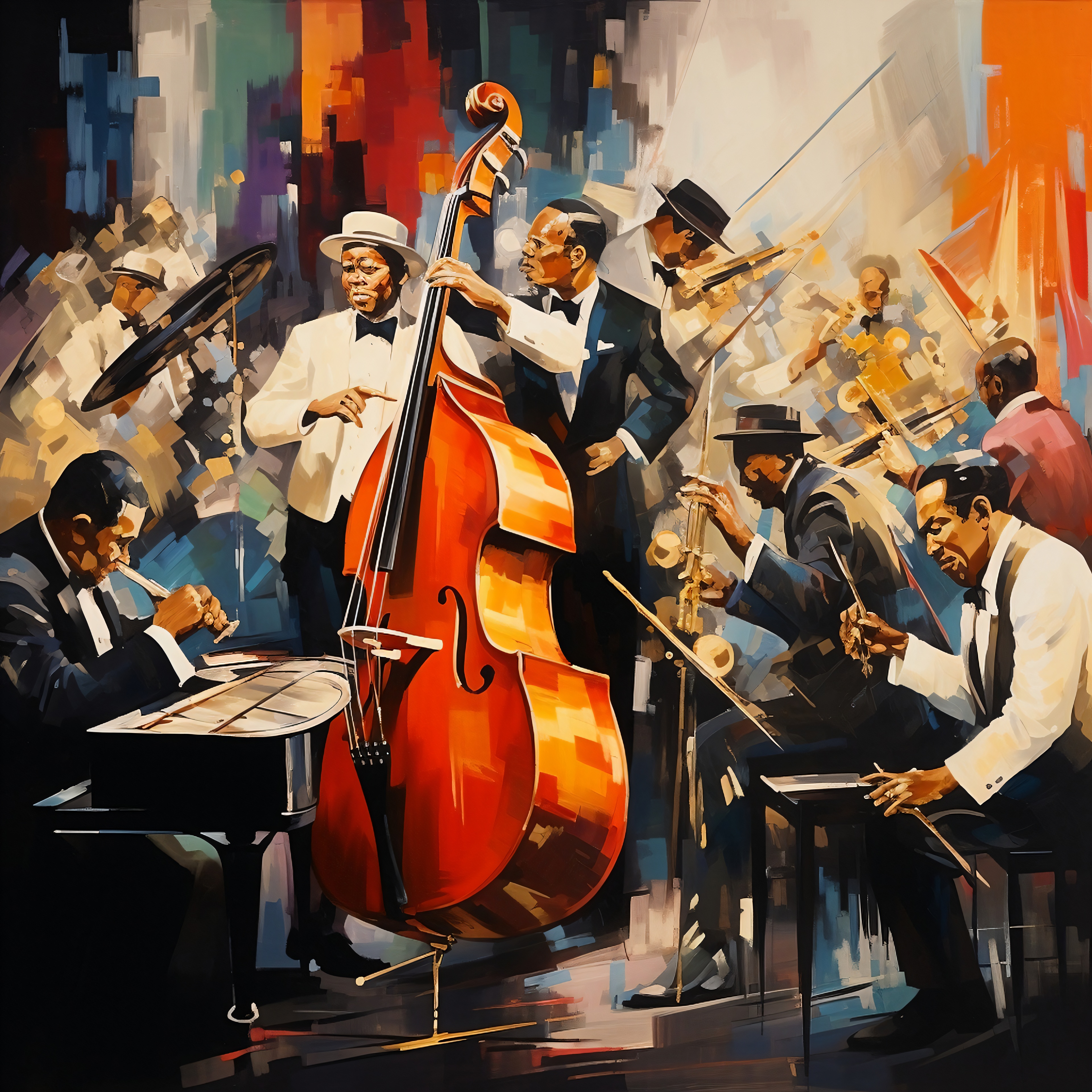
The history of the electric guitar dates back to the 1920s. At the time, big band jazz was popular, but acoustic guitars were inferior to other instruments in terms of volume. To solve this problem, the idea of electronically amplifying the sound of the instrument was born.
The Beginning of the Revolution: George Beecham
In 1931, the world's first electric guitar was invented by inventor George Beecham. This amplified the volume of the guitar, allowing it to be heard well within a band.
Later, in the 1940s, Les Paul developed the experimental solid-body guitar (the body of the guitar has no cavities), further expanding the possibilities of the electric guitar.
In addition to the electric guitar, George Beecham was a great inventor of the electric bass, the electric violin, and the instrumental amplifier, all of which are essential to the music scene today.
Fender and Gibson Rivalry
In the 1950s, Leo Fender introduced the Fender Telecaster, marking the beginning of a new era in electric guitar manufacturing. The new method of manufacturing guitars, in which the neck and body were made separately and then joined together with wood screws, was unprecedented.
Solid guitars by Fender quickly became popular for their crisp sound and durability.
In response, Gibson worked with Les Paul to bring the richer sounding Gibson Les Paul to market. This rivalry, in turn, spurred the evolution of electric guitar technology and design.
*Gibson - developed from a mandolin sales company and entered the guitar sales business after 1902.
Today, it is known as the world's leading guitar manufacturer.
Difference between Fender and Gibson
The typical difference between Fender and Gibson is in the head (the top part of the guitar).
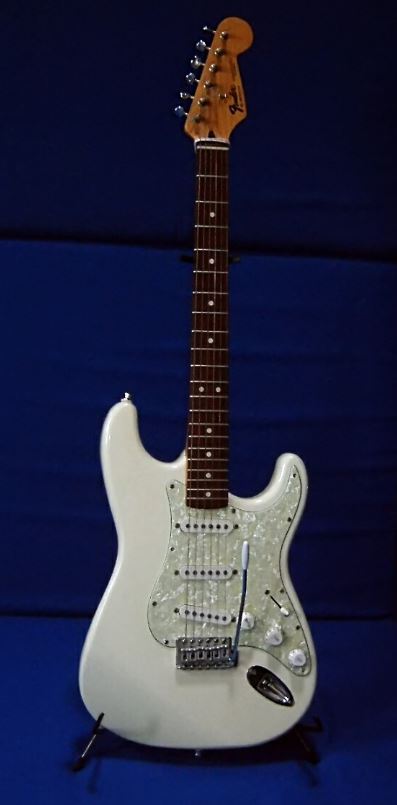
Fender's famous "Stratocaster" model has
The head has six sound-adjusting pegs in a straight line on the left side.
The pegs are shaped like those on a violin.
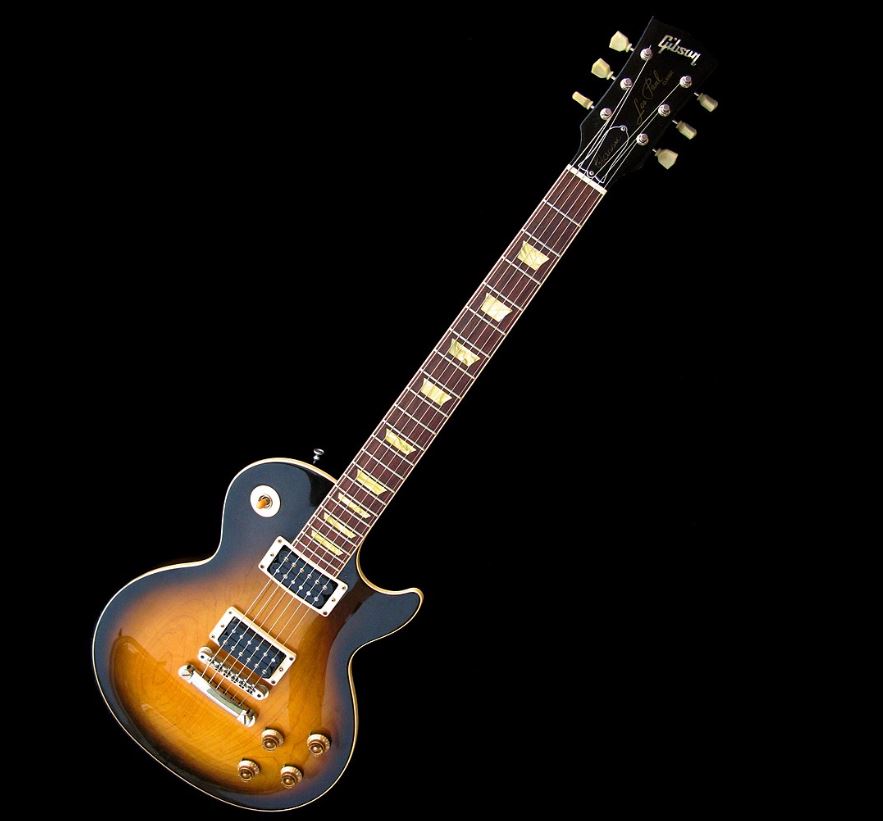
On the other hand, Les Paul has three pegs on each side.
This is probably the more "common" shape seen by people who are not familiar with guitars.
Rock 'n' Roll and Electric Guitar
The electric guitar became an icon when rock and roll emerged in the 1950s.
Guitarists like Chuck Berry and Jimi Hendrix,
used the electric guitar to create innovative music, creating songs that were loved by generations of musicians.
The electric guitar has had a profound impact not only on music, but also on culture,
became a symbol of youthful rebellion.
The Present and Future of the Electric Guitar
The electric guitar has continued to be used in diverse genres since then. From metal to blues to jazz, the electric guitar has shaped every musical style, allowing for new musical explorations. The development of digital technology has further diversified the electric guitar's tonal palette and opened up endless possibilities for performance.
The history of the electric guitar is not only a history of musical transition, but also a history of technical innovation. It is highly anticipated how this fascinating instrument will continue to evolve in the future.