BLOG
The Glory of the Classical Guitar in Postwar Japan and Its Quiet Twilight
Mar 27, 2025
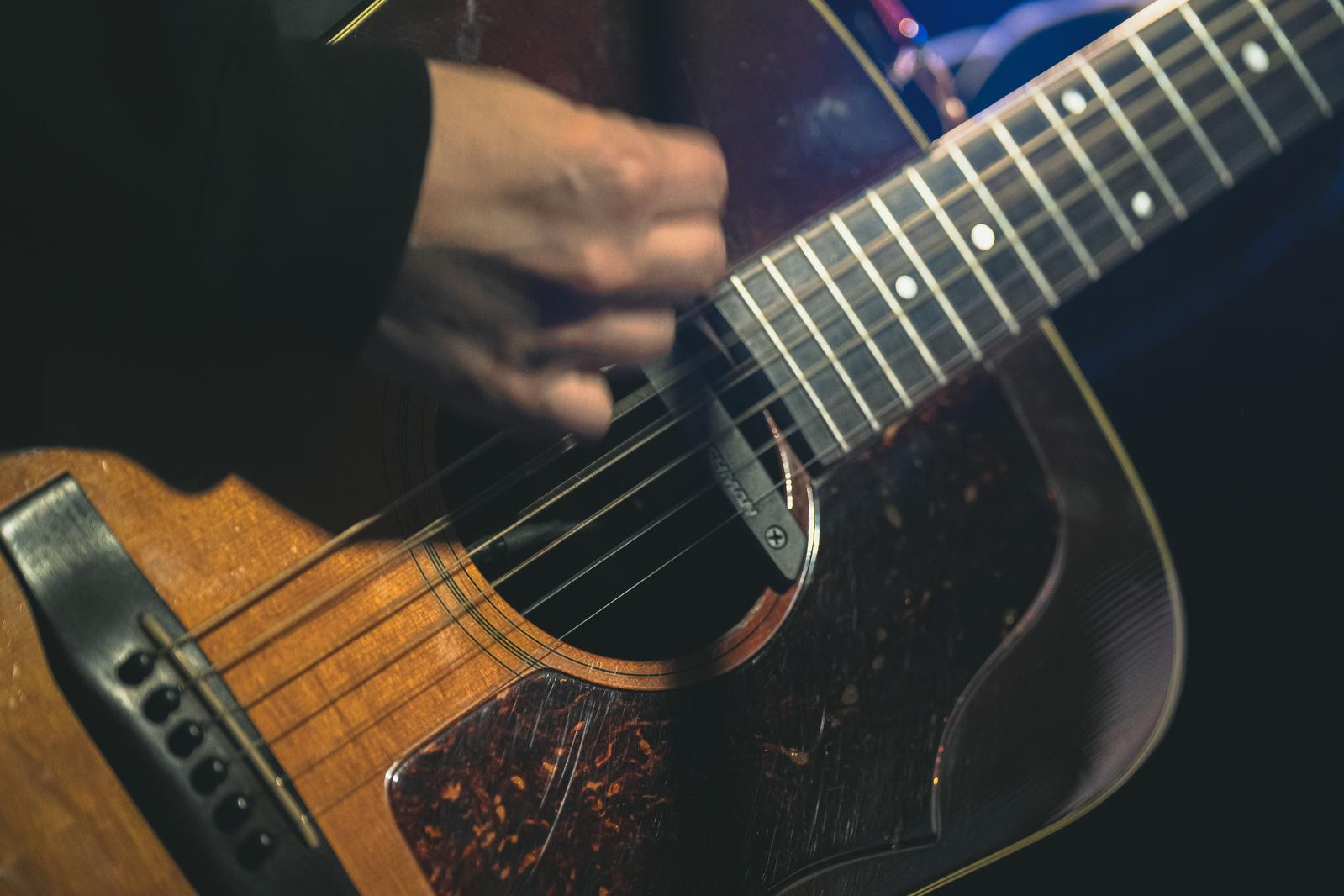
In a corner of Japan, the classical guitar used to be a cultural phenomenon. In the chaos of the postwar period, the guitar was one of the instruments that comforted the hearts of the common people and stirred their yearning. Not flamenco, not jazz, but pure classical guitar. There is no doubt that Japan's unique guitar culture sprouted as an extension of the tradition established by Andrés Segovia. But now, in the year 2025, that culture has lost its former vigor, like a badly wilted houseplant. Who forgot to water it, or did they over-water it?
The Golden Age is a shadow of its former self.
From the 1960s to the 1980s, the classical guitar enjoyed a huge boom in Japan. Even before the emergence of stars like Kaori Muraji, the guitar world in Japan was booming. Unlike today's YouTube guitar courses, guitar was still a "face-to-face" learning experience. Major musical instrument manufacturers competed with each other to offer guitar classes, and culture schools also offered classical guitar classes.
One of the most prominent guitar schools was a certain guitar academy that operated nationwide, mainly in Tokyo. The school's philosophy was profound: "Guitar is music, philosophy, and a way of life. In fact, many enthusiastic students gathered at the school, where they were trained thoroughly from the basics. However, the educational policy gradually turned into a "conformist" one, and the school became a place with a sense of stagnation. Everyone was taught the same books, the same fingerings, and the same approach. The stereotype that "this is how classical guitar should be played" became so prevalent that those who sought freedom of expression chose a different path.
2. signs of decline and the shadow of the guitar school
Since the 1990s, music education itself has changed dramatically. The status of the classical guitar has gradually declined, and with the rise of electronic instruments came an era dominated by rock and pop music. The classical guitar, which has neither the same authority in classical music as the piano or violin, nor the same mass appeal as the electric guitar, gradually lost its place.
Meanwhile, traditional guitar schools stubbornly continued to maintain their old style. Although the major guitar schools were once called "prestigious," the number of young people knocking on their doors has dwindled. The middle-aged and older generation became the main students, and the schools lost their vitality. The number of professional guitarists with skills but no market value increased, and the difficulty of making a living from classical guitar--these problems surfaced one after another.
In addition, the teaching methods of these schools sometimes took on the air of an apprenticeship system. Although the former great teachers had charisma, there remained a deep-rooted belief among some that "instruction is something that is forced upon you. In some cases, young apprentices were told that they were not cut out to play the guitar if they did not live up to expectations. Guidance is supposed to lead, but here it sometimes became an act of "selection.
3. the small number of well-known professionals and the "handful of successful ones
Currently, there are only a few world-class classical guitarists in Japan. This is not to say that there are no well-known guitarists such as Kaori Muraji and Shinichi Fukuda, but compared to violin and piano, there are far fewer of them.
This is partly due to the closed nature of the classical guitar world. Competitions in Japan are limited, and winning a prize does not guarantee a career afterwards. Even if one wins a competition in Japan, one's career is not guaranteed. As a result, only a handful of classical guitar majors at music schools are able to survive as professionals.
Meanwhile, the world of classical guitar is being reshaped by social networking and video platforms: self-taught guitarists are attracting attention on YouTube, making it possible for them to hone their skills without attending a classroom. This is a threat to traditional classrooms and has created a kind of "reverse phenomenon. Gone are the days when studying at a guitar academy was a status quo, and now it is more advantageous to make a name for oneself on the Internet.
The future of classical guitar
As of 2025, the classical guitar culture has lost its former prominence, but it has not completely disappeared. However, the nature of guitar schools and their educational policies need to change drastically. Instead of teaching in a conventional way, a more flexible education that respects individual expression is required.
It is also essential for guitarists themselves to develop activities in line with the times. There are an increasing number of attempts to explore new possibilities for the classical guitar and to fuse it with pop and electronic music. Rather than "preserving tradition," "evolving tradition" may be the key to creating a new guitar culture for the next generation.
After all, will the classical guitar survive? The answer lies in the hands of each and every guitar player. Will it quietly fade away, or will it be reborn as a new form of music? Its future depends on how we play it.