BLOG
The boarding number problem and the Japanese orchestral climate
Mar 24, 2025
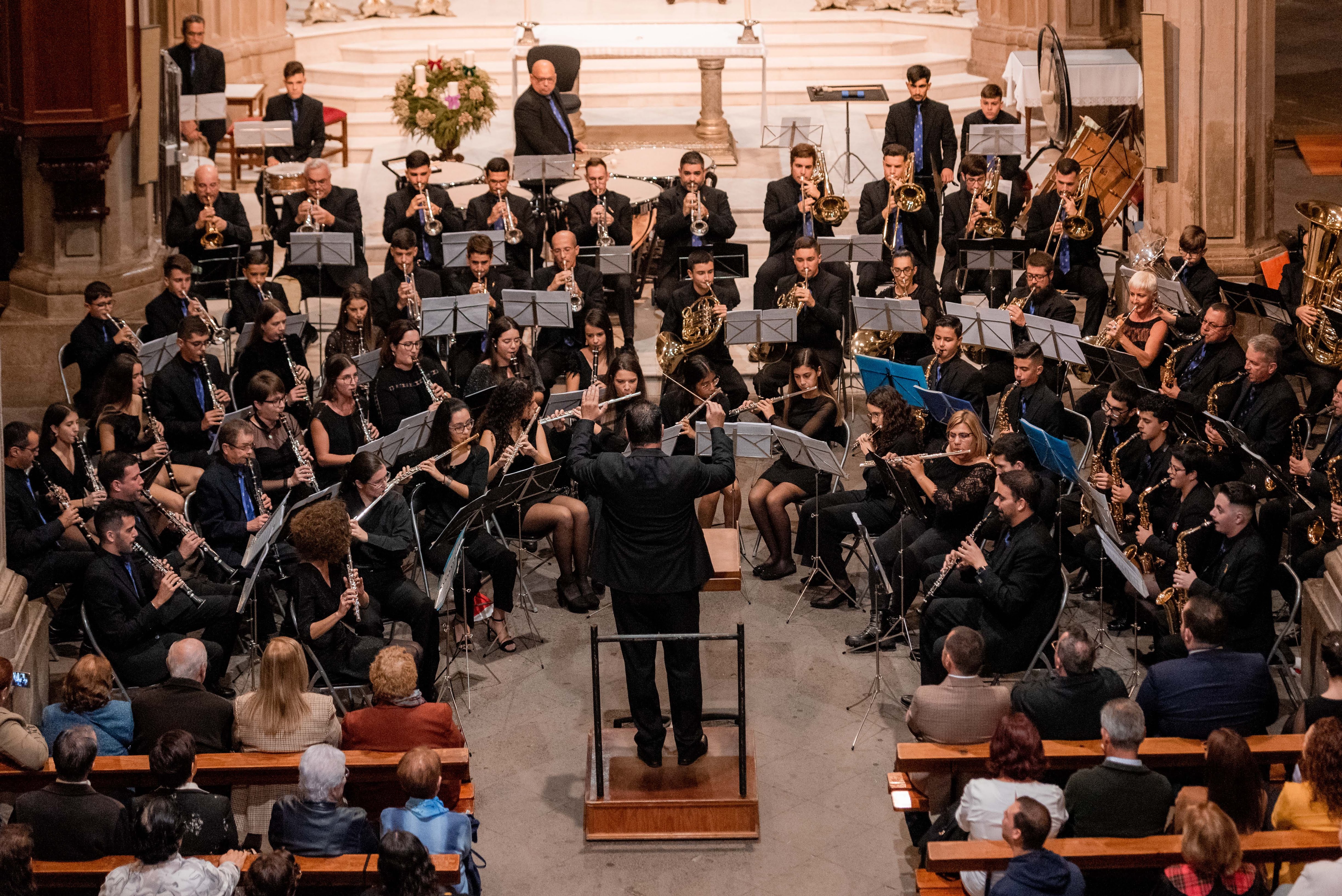
An amateur orchestra is a mysterious society. Or perhaps "society" is not the right word. Rather, it should be called a group of microorganisms. If you look into it through a microscope, you will find countless cells, each claiming its own sphere of existence, building a complex symbiotic relationship with each other. All this under the cause of music.
In Japanese amateur orchestras, the "rider's turn," or who sits on which pluto (music stand), is a major concern, especially in the string section. This is a phenomenon not often seen in Western amateur orchestral culture. Why is this? Probably, it is the result of the fusion of "club activity culture" and "salaryman culture" that has taken root in Japan and matured in the microcosm of an orchestra.
Remnants of a club-like hierarchy
Japanese people tend to be concerned about "pecking order" when belonging to some group. In junior high and high school club activities, the relationship between seniors and juniors is absolute, and the position where seniors sit is considered sacred. In a baseball club, the regulars and alternates; in a brass band, the first and second rows. In any case, where a person sits determines his or her "status.
This club-oriented value system remains firmly in the base of our consciousness even after we have passed through university and entered the workforce. And this leads to the plutocratic problem of amateur orchestras. In short, "What seat do I occupy?" is at the core of our identity.
This is especially true of the violin. The "first pluto" follows the concertmaster, followed by the second and third plutos (......). As each person assesses his or her own musical and social position, he or she wrestles with the philosophical proposition, "Why am I here?" and the philosophical proposition, "Why am I here?
Salaried Seating Order Consciousness
When "salaryman culture" is added to the mix, things start to boil down. Seating order in the corporate world is another important issue in Japan. There are subtle social dynamics at work, such as seating at meetings, drinking, and even the order in which one rides the elevator. In a sense, the position of one's seat is the yardstick by which one's "personal standing" is measured.
Even in amateur orchestras, people ask themselves, "Why am I the third plutocrat when I have been a member of this orchestra for so many years? Why is that person who recently joined the orchestra sitting in front of me? and "Why is that person who recently joined the orchestra sitting in front of me? On the surface, everyone says, "I'm here because I like the music," but deep down inside, the question is, "Why am I in this seat?" Deep down inside, the question is, "Why am I sitting in this seat?
Differences from Europe and the U.S.
On the other hand, Western amateur orchestras seem to be relatively less concerned about this kind of seating order. In the first place, the orchestra is "a place to enjoy music," so it does not matter much whether you sit in the front or in the back. For example, British amateur orchestras sometimes change seats at each rehearsal. If this were done in Japan, it would probably cause chaos. No, it might not be just chaos. It may even lead to a debate on whether or not to increase the number of down time (rest).
The Aesthetics of Japanese Orchestral Society
However, such "attention to seating order" may also be an expression of the Japanese sense of beauty. In the cultural sphere, where form and order are valued as in the tea ceremony and flower arrangement, amateur orchestras are not merely a place of hobby, but also a place that has its own "form. There, the order of seating is determined not only by musical ability, but also by the number of years a member has been with the orchestra, the level of contribution he or she has made, and sometimes by ambiguous factors such as "A-Un," or "A-Un's breathing.
Of course, one can laugh at the ridiculousness of this. But on the other hand, it is precisely because of such persistence that Japan's amateur orchestras continue to maintain their own unique sense of tension.
Conclusion: Seating order is life itself.
After all, the "boarding number problem" in Japanese amateur orchestras is not just a musical problem. It is an extension of social self-awareness and a microcosm of human relationships. In other words, seating order is life itself.
If you are going to join a Japanese amateur orchestra, you should be prepared for one thing. If you join a Japanese amateur orchestra, be prepared for one thing: "It's not just about enjoying the music. Rather, it may be a taste of Japanese orchestral life to be prepared to be at the mercy of the philosophy of the seating order, and to decide bowing gracefully.